
Cultural perceptions of gambling how they shape risk-taking behaviors
The Influence of Cultural Norms
Cultural norms significantly influence how gambling is perceived and practiced around the world. In some societies, gambling is viewed as a thrilling pastime, a source of entertainment that fosters community and social interaction. In these cultures, gambling events such as lotteries and sports betting may be celebrated and widely accepted, often intertwined with local traditions and festivities. For example, many people might enjoy engaging with usa online casinos as part of their entertainment options.
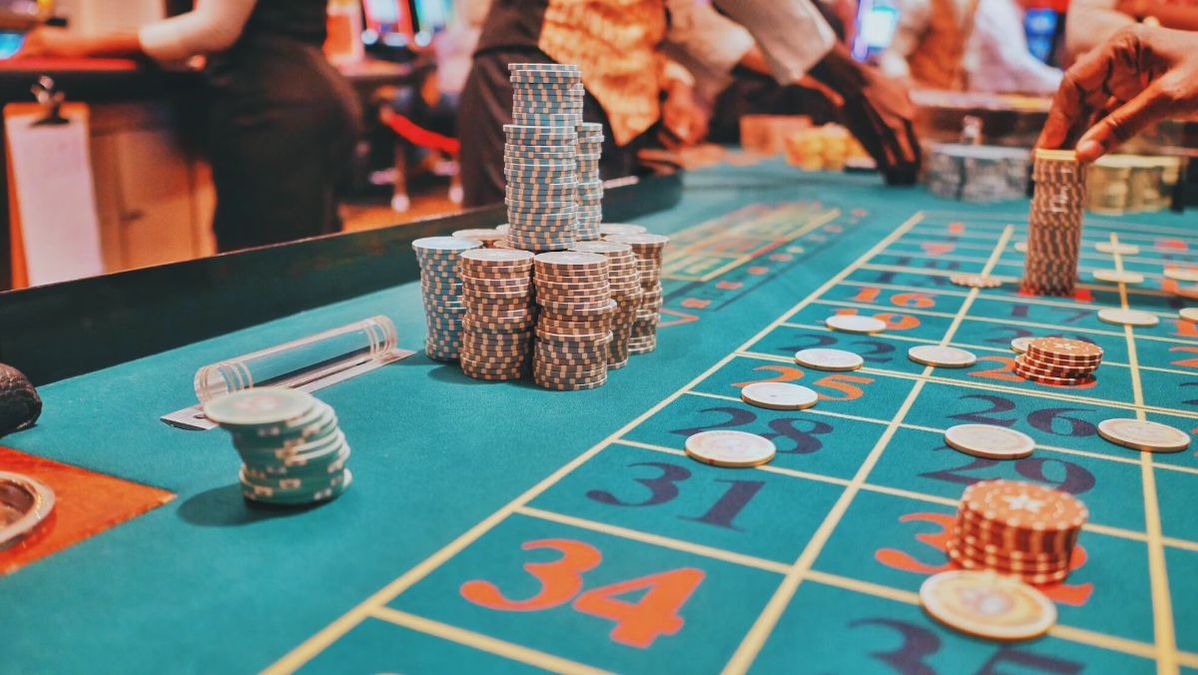
Conversely, in cultures where gambling is stigmatized, individuals may associate it with moral failings or economic irresponsibility. This negative perception can lead to strict regulations and social disapproval, discouraging participation. Understanding these cultural nuances is crucial, as they shape individual attitudes towards risk-taking and influence whether people choose to engage in gambling activities.
The Role of Religion and Ethics
Religion plays a pivotal role in shaping perceptions of gambling across different cultures. Many religious doctrines explicitly condemn gambling, viewing it as a vice that encourages greed and undermines personal responsibility. In regions where religious influence is strong, these teachings can heavily inform societal views on gambling, resulting in less tolerance for risk-taking behaviors associated with betting and gambling activities.
On the other hand, cultures with a more permissive attitude toward gambling may incorporate it into their social practices. Such societies often promote a balanced view of risk, emphasizing moderation and responsible gaming. This duality illustrates how religious and ethical beliefs can either inhibit or encourage gambling, consequently shaping individuals’ willingness to take risks.
The Impact of Media and Representation
The media plays an essential role in shaping public perceptions of gambling. Films, television shows, and advertisements often glamorize gambling, presenting it as an exciting and glamorous activity. This portrayal can influence individuals’ attitudes, making them more likely to view gambling as a viable option for excitement and financial gain.
However, the impact of media representation is not uniform. In cultures where gambling is portrayed negatively, such as through depictions of addiction or financial ruin, individuals may internalize these messages, leading to a cautious or hostile attitude towards risk-taking in gambling. The media’s portrayal thus serves as a powerful tool that can either normalize or stigmatize gambling behaviors.
Socioeconomic Factors and Accessibility
Socioeconomic status profoundly influences gambling perceptions and behaviors. In wealthier regions, gambling may be viewed as a recreational activity accessible to many, fostering a culture of participation. Conversely, in lower-income communities, gambling might be seen as a desperate attempt to escape financial difficulties, leading to a more negative perception.
Accessibility also plays a critical role; where gambling venues are prevalent, individuals may be more likely to engage in gambling activities. This accessibility can either promote a healthy social pastime or contribute to detrimental gambling behaviors, particularly if individuals perceive it as a solution to economic hardships. Thus, socioeconomic factors intricately intertwine with cultural perceptions to shape attitudes towards gambling.

Exploring AdventureGamers.com
AdventureGamers.com serves as a hub for gaming enthusiasts, focusing on the vibrant world of adventure gaming. By providing comprehensive reviews, news, and community insights, it fosters an environment for gamers to engage with their interests and share experiences. The site’s commitment to enhancing the gaming experience reflects a dedication to the community’s needs and preferences.
In this dynamic space, discussions around gaming extend beyond mere entertainment, encompassing themes such as risk-taking and decision-making, which are also relevant in the context of gambling. By exploring these connections, AdventureGamers.com enriches the dialogue around gaming culture, inviting users to reflect on their own experiences within the broader scope of risk and reward.